The Negative Impacts of Traditional Construction Methods in the 21st Century
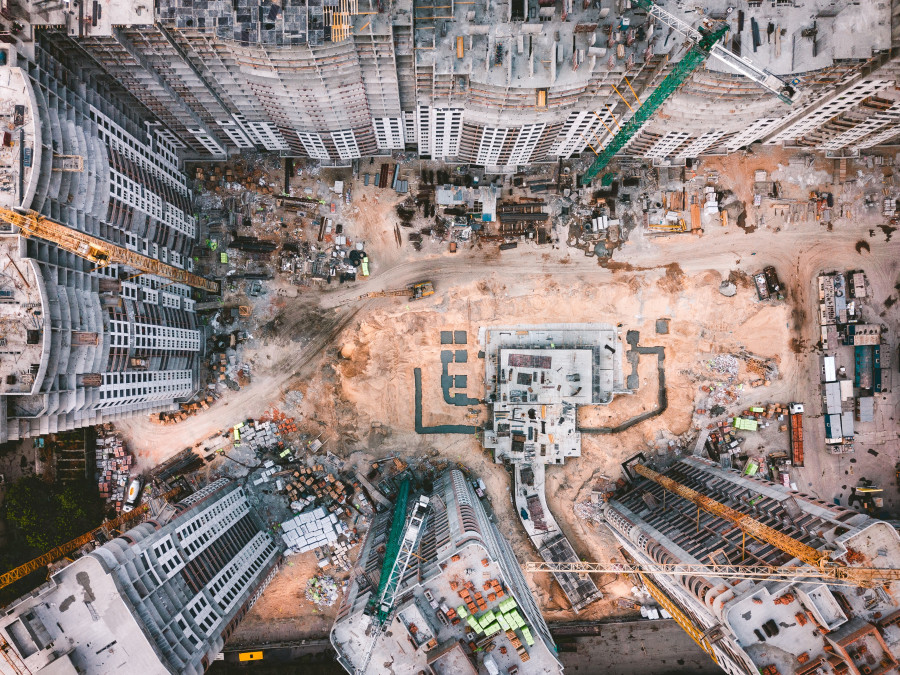
As traditional construction methods continue to be the status quo in the 21st-century building industry, it's worth questioning if they are truly up to the job of building sustainable, future-proof infrastructure. From cost overruns caused by labour shortages and inefficient materials management to environmental impacts that go beyond what is legally allowed – there is a case against relying on outdated strategies when embarking on new builds or renovating existing structures.
Overview of Traditional Construction Methods and the Challenges it Faced in Modern Times
Construction has long been an essential industry for building homes, businesses, and infrastructure. However, traditional construction methods have faced challenges in recent times as modern technology and materials have become more prevalent. These traditional methods involve using materials such as wood, brick, and concrete and relying on manual labour.
Modern challenges include environmental concerns, safety regulations, and inefficient practices. Despite these challenges, some traditional methods still have a place in construction today, such as the use of natural materials for sustainable and eco-friendly buildings. By understanding the challenges faced by traditional construction methods, we can adapt and innovate for a more efficient and sustainable future in the construction industry.
Environmental Issues Due to Traditional Construction Methods
With increasing awareness about climate change, there is a growing concern for the environment. Traditional construction methods have contributed significantly to environmental issues, such as deforestation, air and water pollution, and greenhouse gas emissions.
To tackle these problems, a shift towards more eco-friendly construction techniques has become crucial. Innovations in construction materials and techniques can significantly reduce the negative impact on the environment. From using sustainable and recyclable materials to adopting energy-efficient technology, eco-friendly building practices aim to decrease the carbon footprint and preserve the environment.
As the business world is also becoming more environmentally conscious, eco-friendly construction methods will likely become the norm in the future.
Financial Implications of Traditional Construction Methods
Traditional construction methods have been relied upon for centuries to build structures that are sturdy and long-lasting. However, the financial implications of using traditional construction methods can be significant. These methods often require a larger budget due to the amount of physical labour involved, as well as the cost of materials.
Additionally, the time-intensive nature of traditional construction can lead to increased project timelines and associated costs. Despite these challenges, many architects, builders, and clients still prefer traditional construction due to the quality and durability of the final product. It is important for those involved in the construction industry to carefully consider the financial implications of traditional methods and weigh them against the benefits when deciding on a project approach.
Impact on Timeframes for Projects Using Traditional Construction Methods
Time is money in the world of business, and nowhere is this more apparent than in the construction industry. Traditional construction methods can impact project timeframes in several ways, resulting in increased costs and missed deadlines.
One common issue is the extensive preparation time required before the actual construction work can even begin. This often involves permits and environmental impact studies, which can take months or even years to complete.
In addition, the construction process itself can be time-consuming, as it relies heavily on manual labour and the coordination of multiple contractors. To stay competitive in an increasingly fast-paced business environment, it's important for companies to explore new construction methods that can streamline these processes and reduce project timeframes.
Potential Solutions for Combating Negative Impacts of Traditional Construction Methods
As the construction industry continues to grow, so do concerns over the negative impacts of traditional construction methods. Fortunately, modern methods of construction (MMC) offer potential solutions that can not only reduce the negative environmental impact of construction but also make the process faster and more efficient.
One such method is offsite construction, which involves building sections of a building offsite and then assembling them on-site. This process not only reduces waste and energy use but also allows for better quality control and faster construction times. By exploring and implementing these modern methods of construction, we can work towards a more sustainable, efficient, and environmentally friendly future for the construction industry.
Traditional construction methods, with their negative environmental impacts, increased costs, and extended timelines, are no longer suitable for the demands of the 21st Century. As construction practices evolve, it's evident that Modern Methods of Construction (MMC) and offsite construction are set to play a pivotal role in the industry's future.
Through prefabrication and modularisation, buildings can be constructed more efficiently and sustainably, saving time and money while reducing waste and carbon emissions.